

Linda Rhinehart
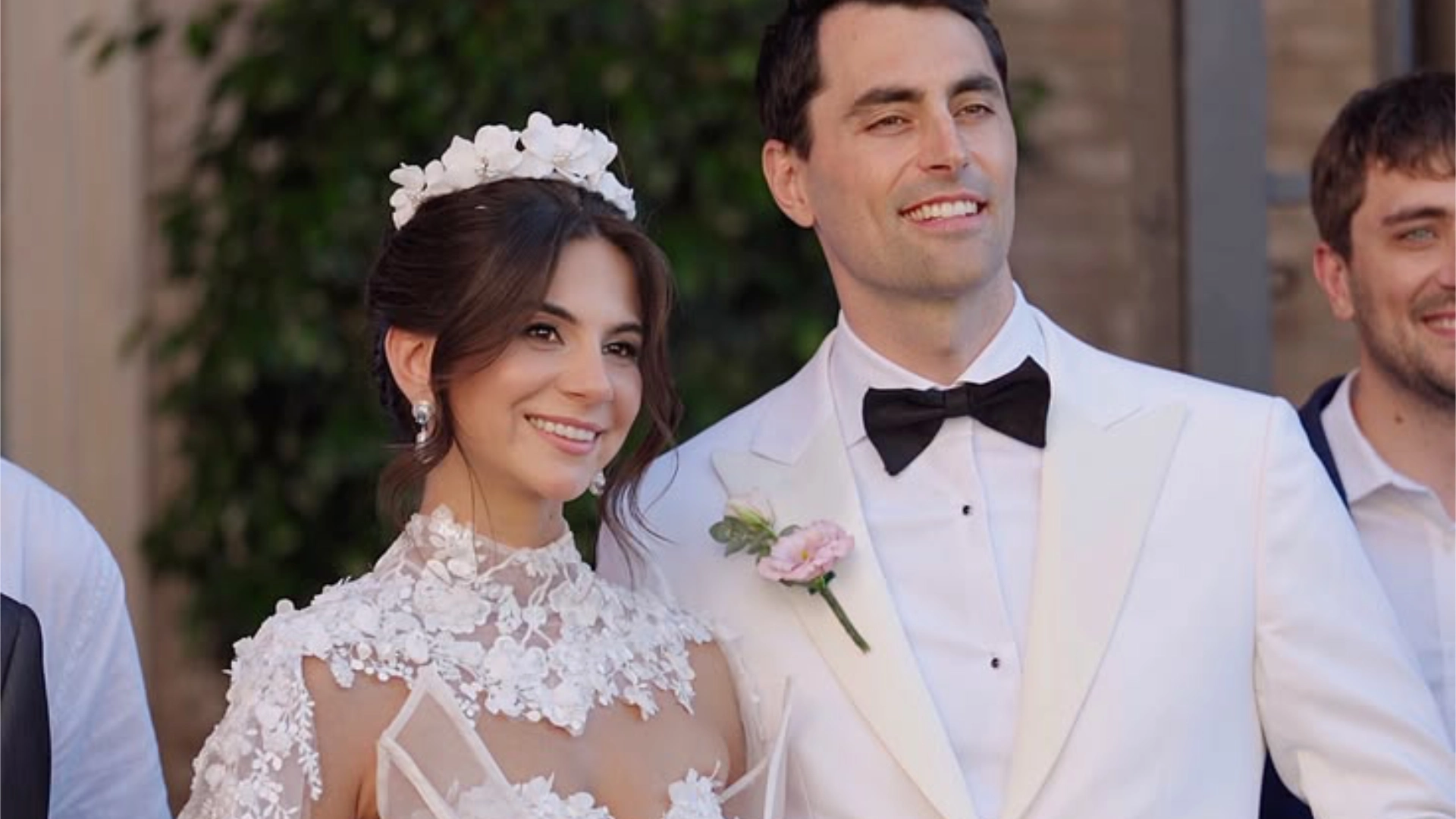
The hard part usually begins after the first serious conversation: how soon to visit, what the legal path looks like, who pays for what, and whether both families can accept the relationship without turning every decision into a test. Before asking what is the best mail order bride site, it is worth looking past the introduction itself, a cross-border wedding is not just a ceremony in another country. It is a sequence of travel choices, document deadlines, money conversations, and lifestyle decisions that will affect the marriage long after the photos are taken.
The first filter should be verification, not chemistry. Any platform connecting an American groom with women abroad should be clear about identity checks, communication tools, billing, refund rules, and how complaints are handled. Hidden fees, rushed commitment, and language that treats women like inventory are not minor flaws. They are reasons to slow down or leave.
The phrase international marriage site may sound cleaner than older search terms, but the basic question stays the same. No woman can be ordered, bought, or moved into marriage like a product. In practical terms, these are international dating services, and the risks are larger because distance, immigration, money, culture, and translation all shape the relationship. So the better version of the question is not only what is the best mail order bride site, but which service gives both people enough information and space to make a serious choice.
Look for profile review that appears real, not decorative. Video calls should be available. Pricing should be readable before a credit card is involved. Anti-scam policies should explain what happens when a profile is reported. Be careful with any agency that promises a guaranteed wife, blocks normal communication once trust has developed, or encourages expensive gifts before the relationship has substance.
Before spending heavily, compare your concerns with a more detailed look at whether mail order bride services are safe and legitimate. That kind of check is not about assuming the worst. It is about giving yourself enough time to notice pressure, inconsistencies, or costs that were not obvious at the start.
Money becomes concrete very quickly once the relationship moves from messages to travel. An overseas wedding may include international flights, hotels, local transportation, document translations, notarization, family meals, ceremony fees, clothing, photography, and possibly a second celebration in the United States. Ignoring those pieces often leads to arguments before the couple has even tested ordinary married life.
Separate courtship travel from wedding travel as early as possible. A first visit to meet her and her family is different from a trip built around a legal ceremony. Combining the two can save money on paper, but it can also make the visit feel like a deadline instead of a real evaluation. A second trip may be frustratingly expensive, yet it can still be less costly than entering a marriage before both people have had enough time together.
| Cost Area | What It Usually Includes | Planning Risk |
|---|---|---|
| Travel | Flights, lodging, local transport, meals | Prices rise quickly around holidays and visa deadlines |
| Documents | Translations, notarization, apostilles, local fees | Small errors can delay the ceremony |
| Ceremony | Venue, officiant, clothing, photos, family meal | Family expectations may expand the guest list |
| Aftercare | Immigration filing, shipping belongings, U.S. reception | Post-wedding costs are often underestimated |
A practical consequence of a too-tight budget is that every small delay starts to feel like a crisis. Leave room for a missed appointment, an extra hotel night, a translation that has to be corrected, or a family meal that becomes larger than expected. International wedding planning does not reward exact-to-the-dollar optimism.
Immigration choices belong near the beginning of the plan, not after the venue or photographer is booked. The process changes depending on whether the couple marries abroad first or applies for a fiancé visa before marriage. Each route has its own forms, waiting periods, interviews, document standards, and proof-of-relationship expectations.
Guessing can cost months. A couple may hold a meaningful ceremony overseas and only later realize that living together in the United States requires more evidence, more official documents, and more patience than expected. Photos, messages, and travel records may help show the relationship is real, but they do not replace correct filings or valid civil paperwork.
Common requirements may include birth certificates, divorce decrees, police certificates, passport copies, proof of meeting in person, financial support forms, and certified translations. The exact list depends on the country and visa category, and requirements can change. Forum stories may offer useful context, but official government sources should carry more weight than another couple’s timeline.
Previous marriages, children, overstays, criminal history, complicated finances, or a large age gap can make the case more sensitive. In those situations, paying for a qualified immigration attorney may prevent expensive mistakes. The goal is not to turn the relationship into a paperwork project. It is to keep preventable legal problems from dominating the first year of marriage.
A wedding abroad is often judged by more than the couple. Her family may be watching closely to see whether the marriage is being treated with seriousness and respect. A civil appointment may satisfy the law, but it may not satisfy parents, grandparents, or relatives who see the ceremony as a public statement about her place in the family.
Contrast that with an American groom who pictures a courthouse, a simple dinner, and a flight home. That expectation is not necessarily careless. It may just come from a culture where smaller weddings are common or where the legal act feels like the main event. In her family, though, the gathering may reassure people that she is not being taken away quietly or treated as an afterthought.
Break the wedding into separate parts before making promises. Civil registration, religious blessing, family lunch, clothing, photography, reception, and travel can all be discussed as individual choices. Once the couple sees what is legal, what is cultural, and what is optional, compromise becomes less emotional and more manageable.
The most workable ceremony is usually not the largest or the cheapest. It is the one that the couple can afford, explain clearly, and look back on without feeling that one side was ignored.
Some of the biggest misunderstandings are plain and domestic. Who handles dinner on a work night. How often she talks with her mother. Whether money becomes fully shared right away. What disagreement sounds like in each culture. None of these topics feels dramatic during courtship, but they matter once two people are tired and living under the same roof.
A concrete observation: couples often plan the wedding day more carefully than an ordinary Tuesday. Travel dates, clothes, photos, and documents feel urgent, so they get attention. Daily life feels less urgent, so it is postponed. Yet the marriage will be built mostly out of ordinary days, not ceremonies.
An American groom may also underestimate how much she is leaving behind. Even a woman who genuinely wants to live in the United States may still miss her language, food, friends, professional identity, holidays, climate, and familiar routines. Homesickness is not proof that the marriage was a mistake. Gratitude and grief can exist in the same person at the same time.
Power also deserves a direct conversation. The spouse who knows the country, drives confidently, understands the paperwork, earns the income, and can navigate institutions has more practical control, even without meaning to. Fair planning includes bank access, a working phone, transportation options, English classes if needed, access to her own documents, and private time to speak with family. These are not extra favors. They are part of building a marriage that is safe and balanced.
Trust is easier to claim than to test from a distance. Long calls, affectionate messages, and future plans can create closeness, but they do not fully show how someone handles stress, waiting, money, disappointment, illness, or boredom. Marriage will include all of those.

Use the engagement period to observe ordinary behavior where possible. Spend time with her family. Notice how both of you react when a plan changes. Talk through a budget using real numbers, not vague promises. Discuss what happens if the visa takes longer than expected. Bring up work, debt, children, religion, family obligations, and where the couple will actually live after arrival.
A relationship that cannot tolerate a pause is not ready for a wedding deadline. Either person should be able to ask more questions, slow the timeline, or postpone a ceremony without being punished emotionally. Stable trust has room for caution.
Family pressure can come from both directions. American relatives may worry about scams, immigration motives, age differences, language gaps, or a commitment that seems fast. Her family may worry about isolation, mistreatment, distance, money, and whether promises will still matter after she leaves home.
Not every uncomfortable question is unfair. A parent asking how she will get medical care in the United States may sound intrusive, but the concern itself is practical. A sibling asking how well the couple communicates without translation may be trying to understand the risk. The useful task is to separate real concerns from stereotypes, not to treat every doubt as an insult.
Short, factual answers usually work better than long defenses. Explain the timeline, how often the couple has met, which legal process is being followed, where both people will live, and how she will remain connected to her family. Avoid claiming that the adjustment will be easy. A calm admission that there will be hard parts often sounds more credible than forced certainty.
Some readers comparing international options may also be looking at region, culture, and family expectations. Guides about Latin brides, for example, can be useful as broad context, but they should not be treated as a shortcut for understanding one specific woman, her family, or her values.
Boundaries still have to exist. Families may ask serious questions, but they should not run the relationship through suspicion, guilt, or constant testing. A couple that can respond calmly without surrendering every decision is better prepared for the pressure that comes later.
The ceremony does not finish the work; it changes the kind of work. After a cross-border wedding, the next stage may involve immigration filings, name changes, housing setup, health insurance, driver’s license steps, language classes, job planning, banking, and long periods of waiting. It can feel less exciting than the wedding and still matter more.
Plan the first three months in practical detail. Where will important documents be stored? Who will explain bills, mail, insurance cards, and appointments? How will she get around if she cannot drive yet? What will her days look like if the American spouse is working full-time? Small household systems can carry a lot of emotional weight when one person is far from home.
Social connection should not be left to chance. Depending only on a spouse for conversation, transportation, translation, and companionship is exhausting for both people. Language groups, cultural communities, classes, faith communities if relevant, or volunteer settings can help her build a life that is connected to the marriage but not limited to it.
Some emotional unevenness is normal after arrival. Excitement may fade into fatigue. Minor misunderstandings may feel bigger because one person is adjusting to almost everything at once. Keep the early routine simple. Make space for familiar food, calls home, rest, and quiet weekends. A packed schedule is not proof of a successful new life.
A slower start often protects the marriage better than constant activity. Stability may look ordinary, but ordinary stability is exactly what a new international marriage needs.
A cross-border wedding asks for more than attraction, documents, and a ceremony date. It requires honest money conversations, realistic immigration planning, family diplomacy, and respect for the life each person is leaving or entering. The strongest plans are not the most elaborate. They are the plans with enough room for delays, doubts, and normal adjustment. Move carefully, stay fair, and let the marriage become real at a pace both people can live with.